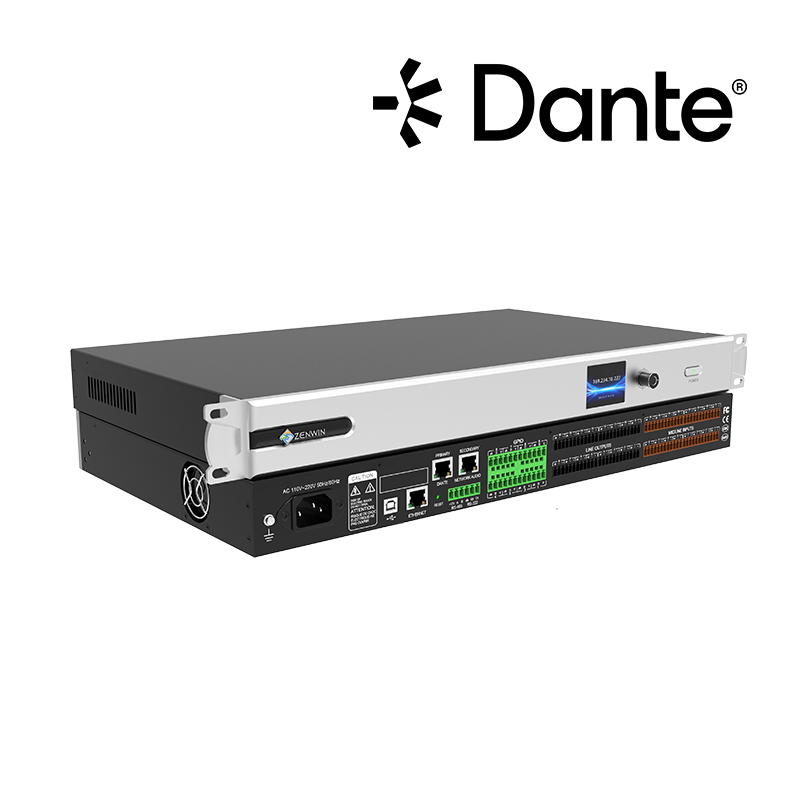
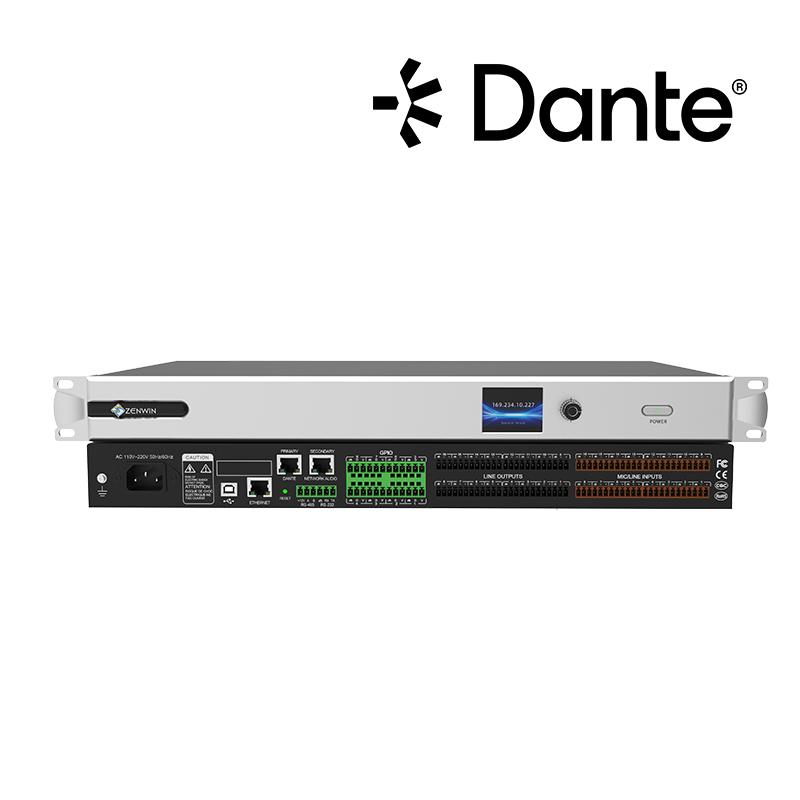
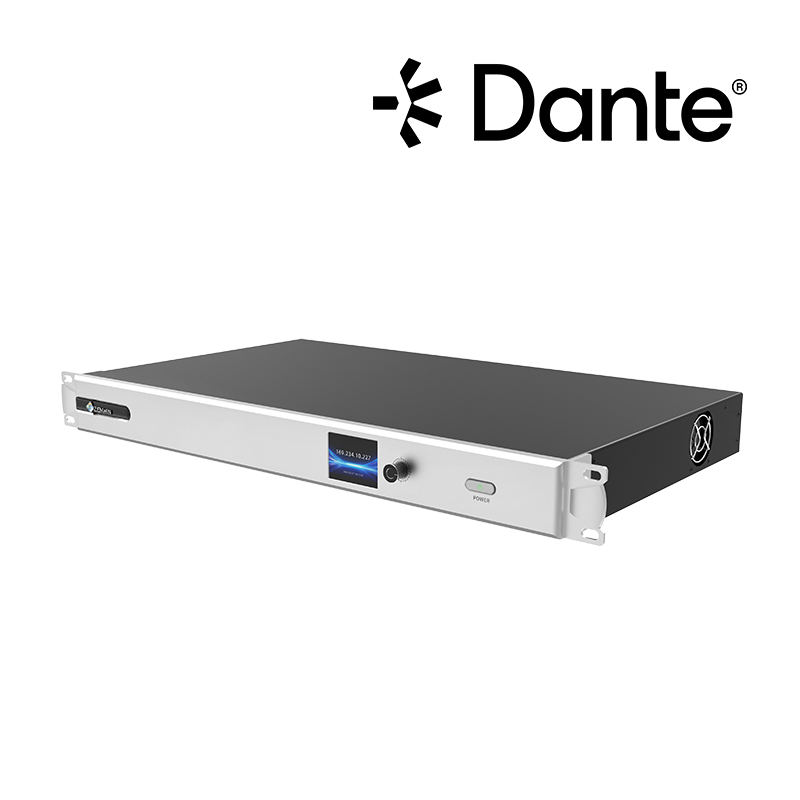
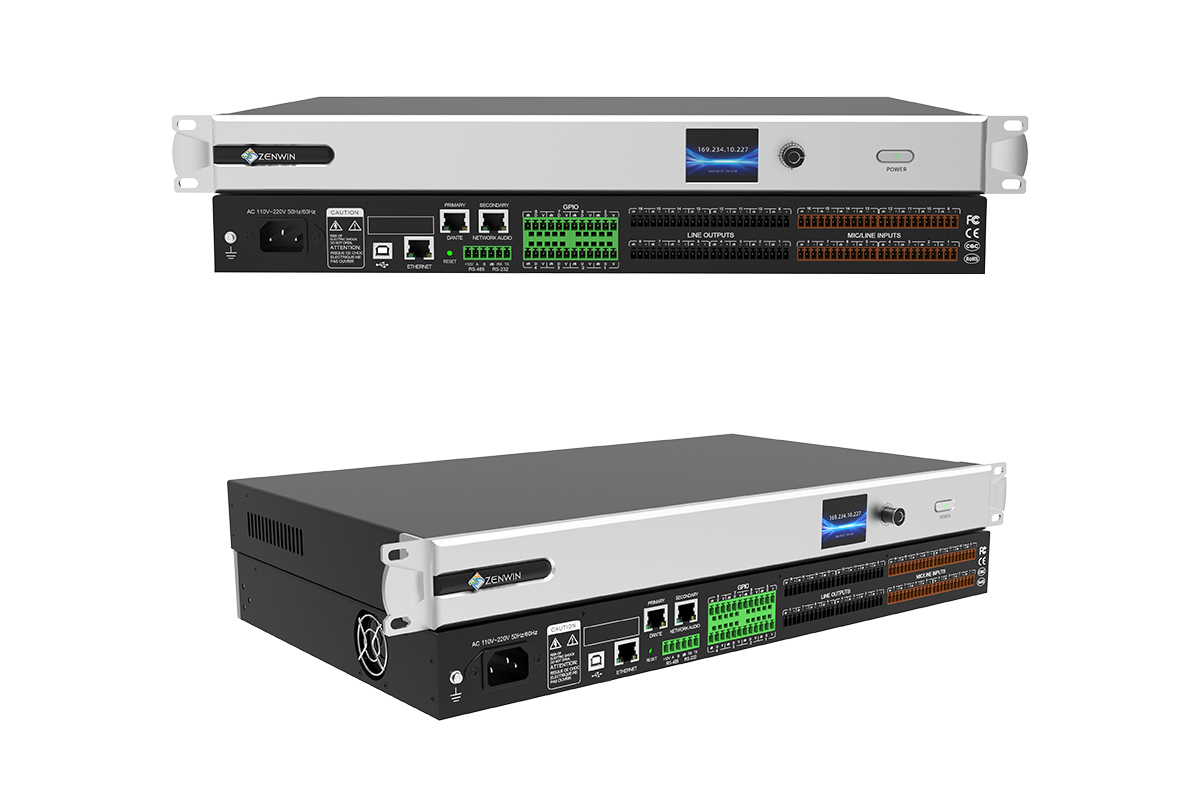
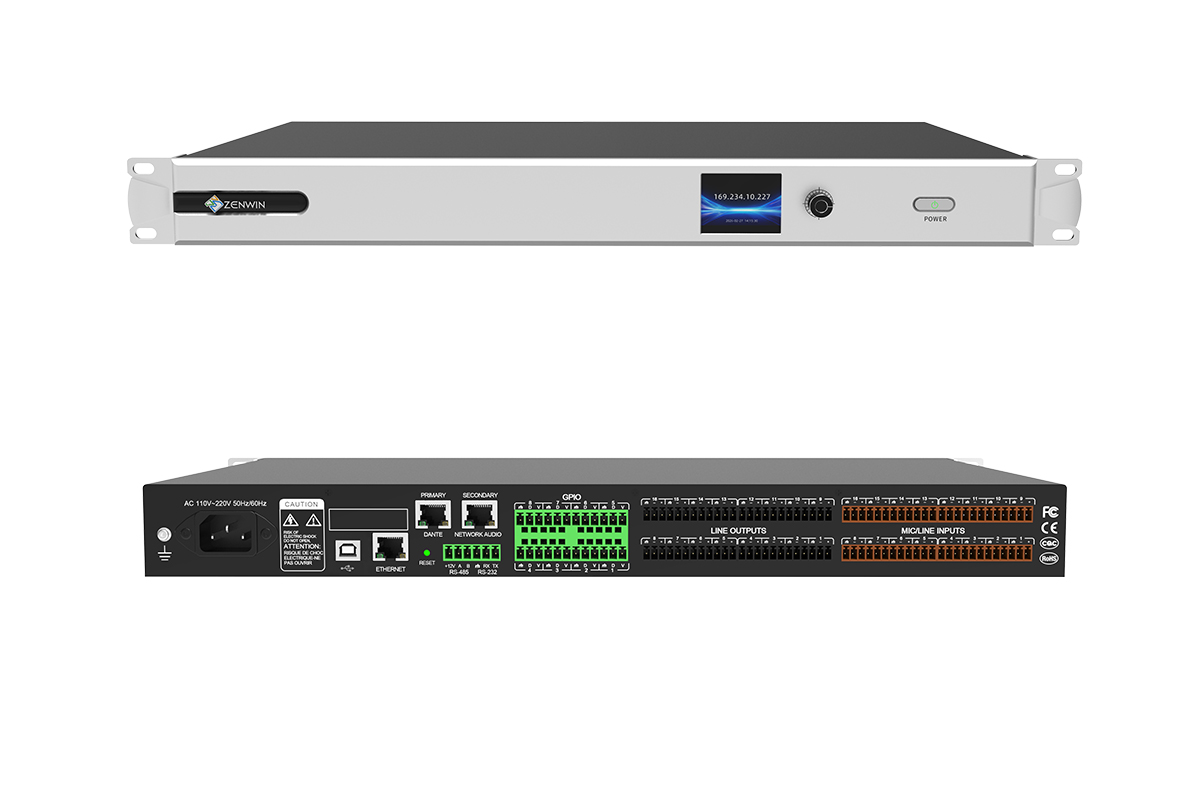
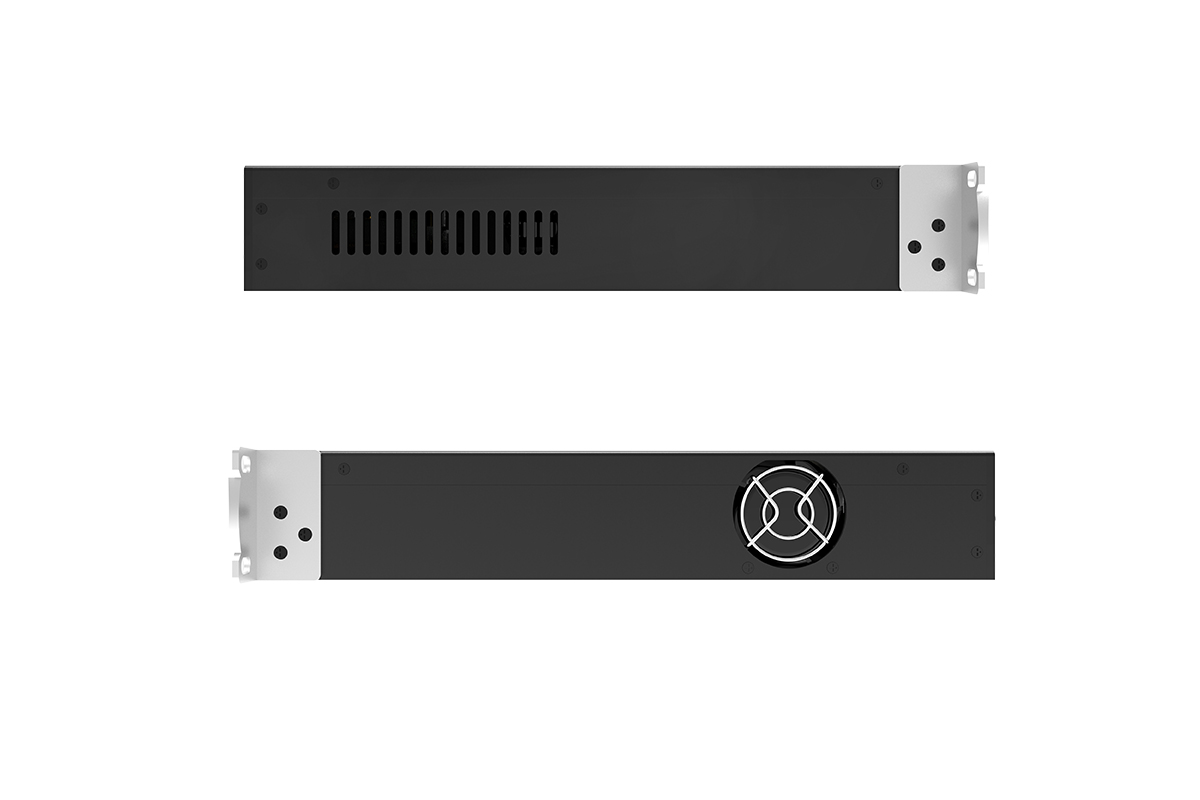
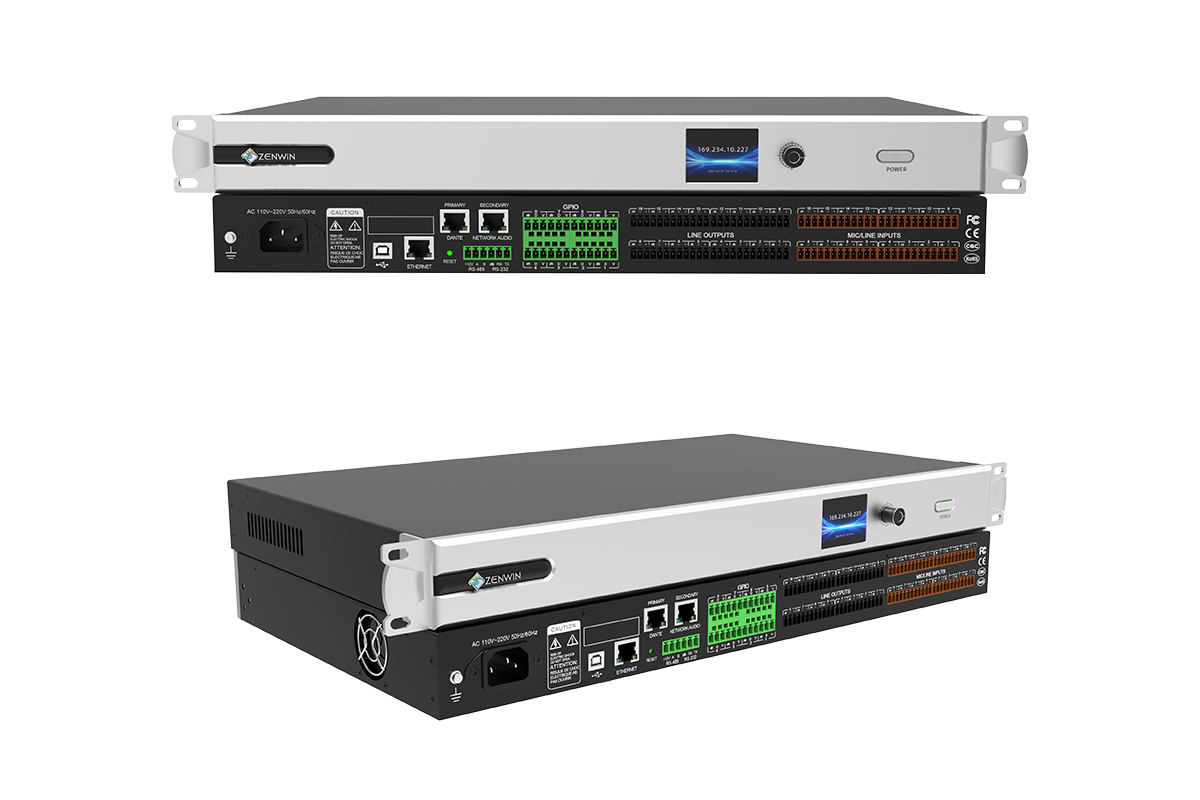
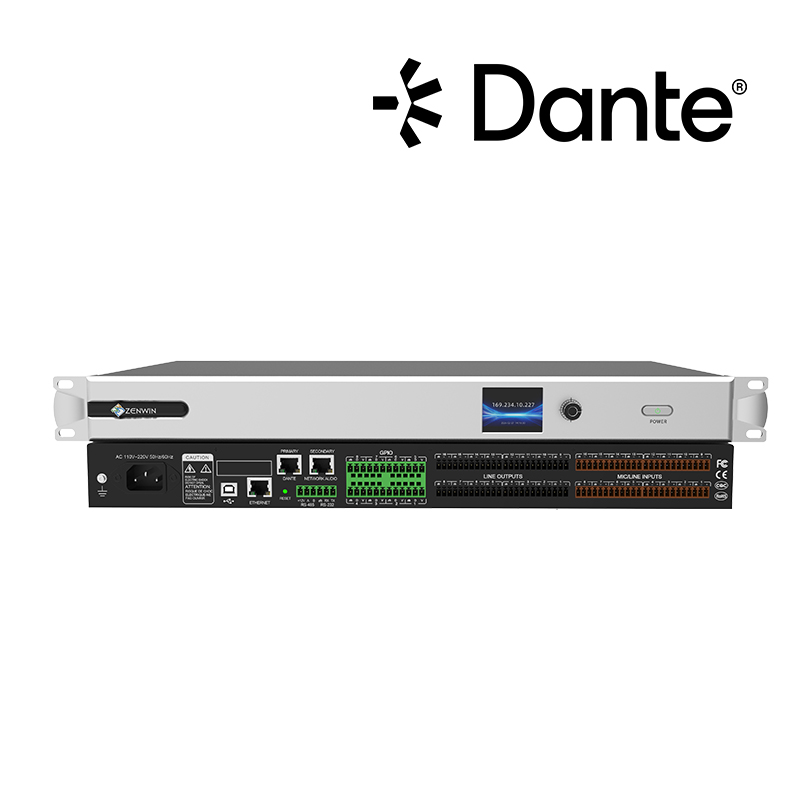
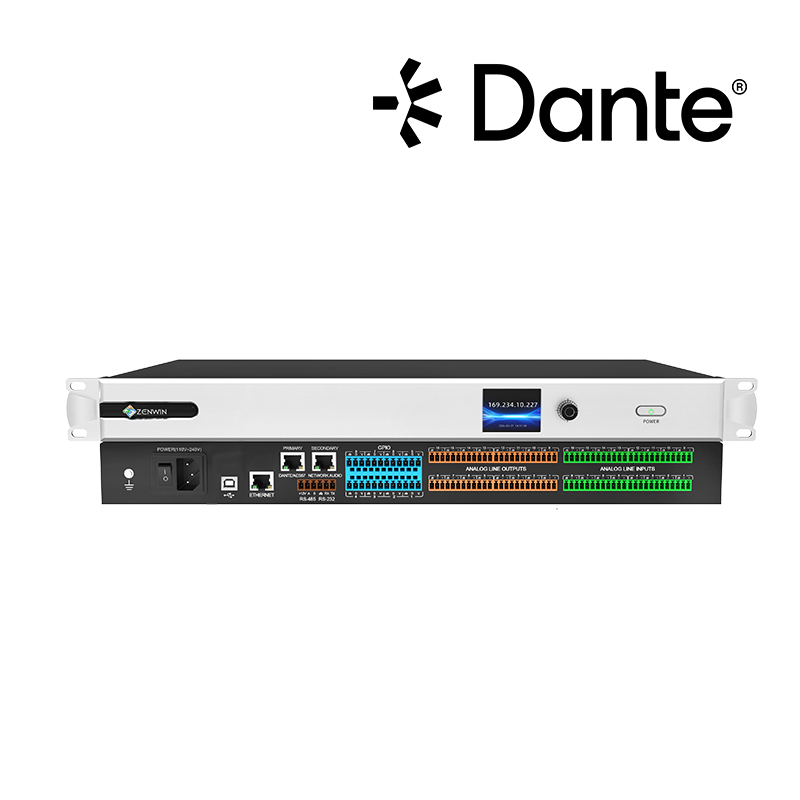
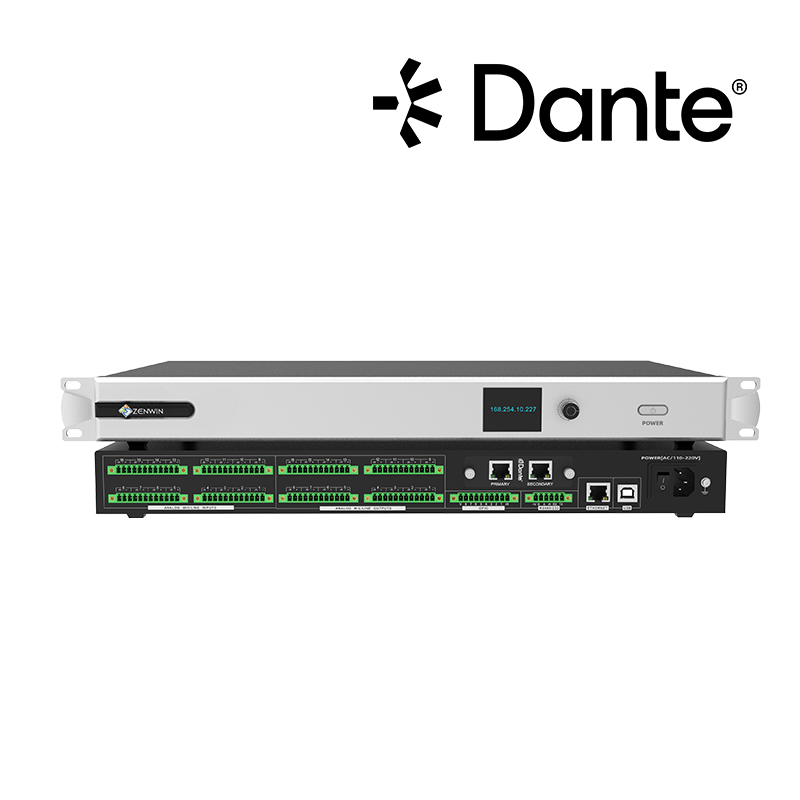
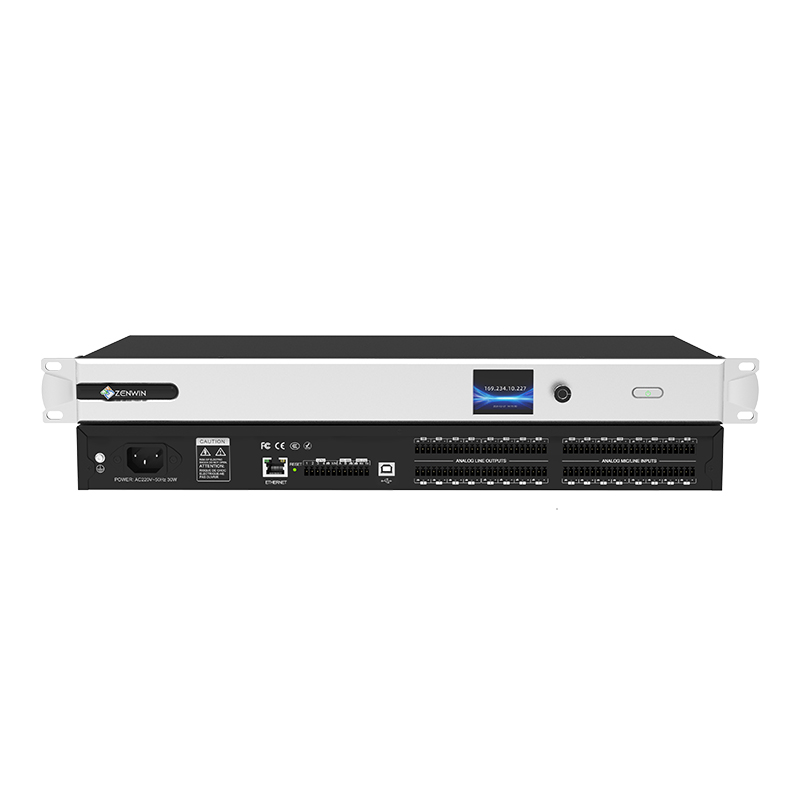
Dante Digital Processor TNN-1616D
sketch:
1.Multi-scenario drag-and-drop architecture
Multi-scenario open platform, where you can select the corresponding scenario. After entering programming, the necessary modules corresponding to the selected scenario will automatically appear. On this basis, you only need to drag the DSP module to the link according to the debugging requirements, without the need for connection operations.
2.Automatic adhesion programming connection
When the mode is selected and programming is entered, dragging the module to the corresponding node can complete the programming. There is no need to delete the connection and reconnect.
3.Advanced audio processing technology
Built-in multi-channel acoustic echo cancellation AEC module, adaptive filter, divider, FIR filter and other multiple audio processing algorithms to meet different scenario requirements, ensuring audio processing quality and transmission stability.
4.DSP module color indication
Using two colors to distinguish the on/off state of the module signal, making it easy to determine the problem.
5.Multi-device operation and scenario switching
Supporting simultaneous online of multiple different device models. Data can be copied and pasted across devices. At the same time, devices support local meetings, local + remote meetings, and BGM modes. Users can choose according to their needs, and the system has different processing DSP modules to maximize its performance.
6.Multiple control methods
Supporting RS232, RS485, UDP control. Can control the power supply, signal switching, environmental control, audio and other overall systems. Has wired and wireless web access, and can be edited as needed for the control interface.
7.Dual-machine hot backup
Supporting dual-machine hot backup function. Through network or serial port protocol, using the heartbeat packet mechanism to detect and probe the main and backup devices. When a device fails, it will automatically switch, and manual switching is also supported to ensure the security and stability of the system operation.